


Samsung Workers Threaten Massive Strike Over Bonus Dispute

May 21, 2026
Dogeon Lim
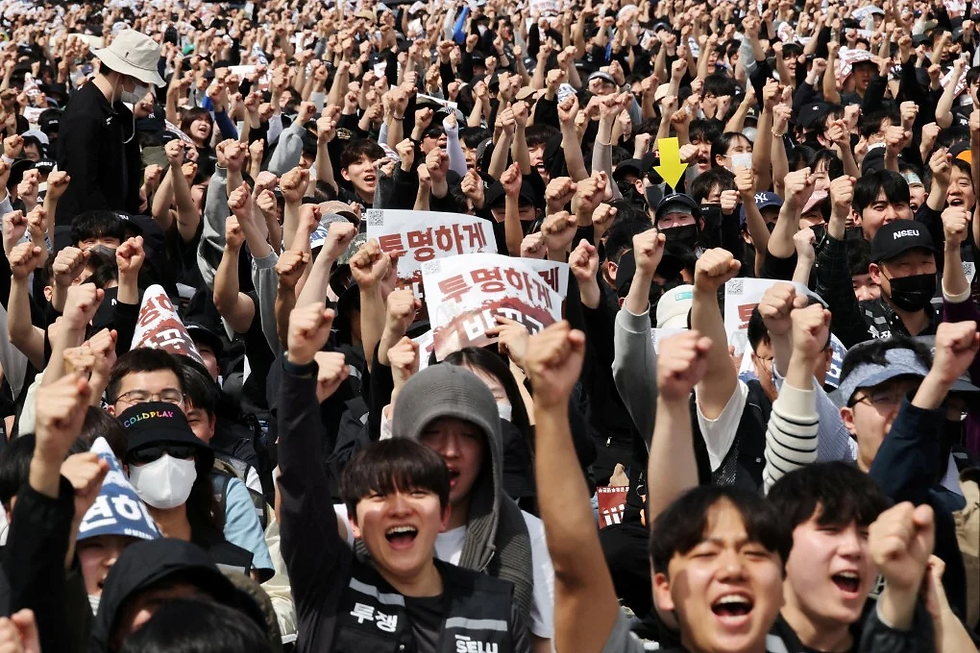
The profound South Korean memory chip maker Samsung Electronics is facing its worst ever strike, with approximately 48,000 workers threatening to stop working on May 14th for 18 days over an argument about bonus payment.
Samsung’s union is demanding for the company to remove the cap that limits bonuses to 50% of annual salaries and distribute 15% of the annual operating bonus pool to workers. The union is also pushing for these changes to remain in effect beyond this year. Samsung responded with a different proposal, offering one-time bonuses of 50% to 100% for workers in its chip divisions. The company also argued that some employees could receive bonuses higher than those at rival SK Hynix. However, Samsung does not plan to remove the current 50% bonus cap permanently.
The reason why the unions keep fighting for more pay is that Samsung Electronics and SK Hynix have recently earned record profits due to the global boom in artificial intelligence and the growing demand for memory chips. Last year, SK Hynix removed its bonus cap, leading to significantly higher bonuses than those offered at Samsung. According to Samsung’s union, this caused many workers to move to SK Hynix and increased union membership.
The strike could become much larger than Samsung’s previous walkout in 2024. According to the union, nearly 48,000 employees, many of them chip workers, may participate. Although a court ruled that essential staffing must remain during any strike, experts still worry that production at Samsung’s major semiconductor factories could be disrupted.
The strike is causing concern because Samsung Electronics is the world’s largest producer of DRAM memory chips, which are essential for smartphones, laptops, and AI data centers. Experts warn that a long strike could disrupt global chip supplies and increase prices. South Korea government officials are also warned that Samsung makes up nearly a quarter of the country’s exports, worrying that the strike could negatively affect Korea’s economy.


